Talents and the UCI Road World Championships in Rwanda
What an intense experience. For the first time, the professional UCI cycling world championships were held in Africa. Rwanda proved to be an outstanding host. The event was superbly organized, and the country showed off its best side.
The organizers had decided to create a circuit through the city. The start and finish were at the centrally located Convention Center, and the route led around the main streets. All speed bumps had been removed, all students had a week off or were to study from home, and employees of downtown offices were asked to work from home. This meant there was little traffic in the center.
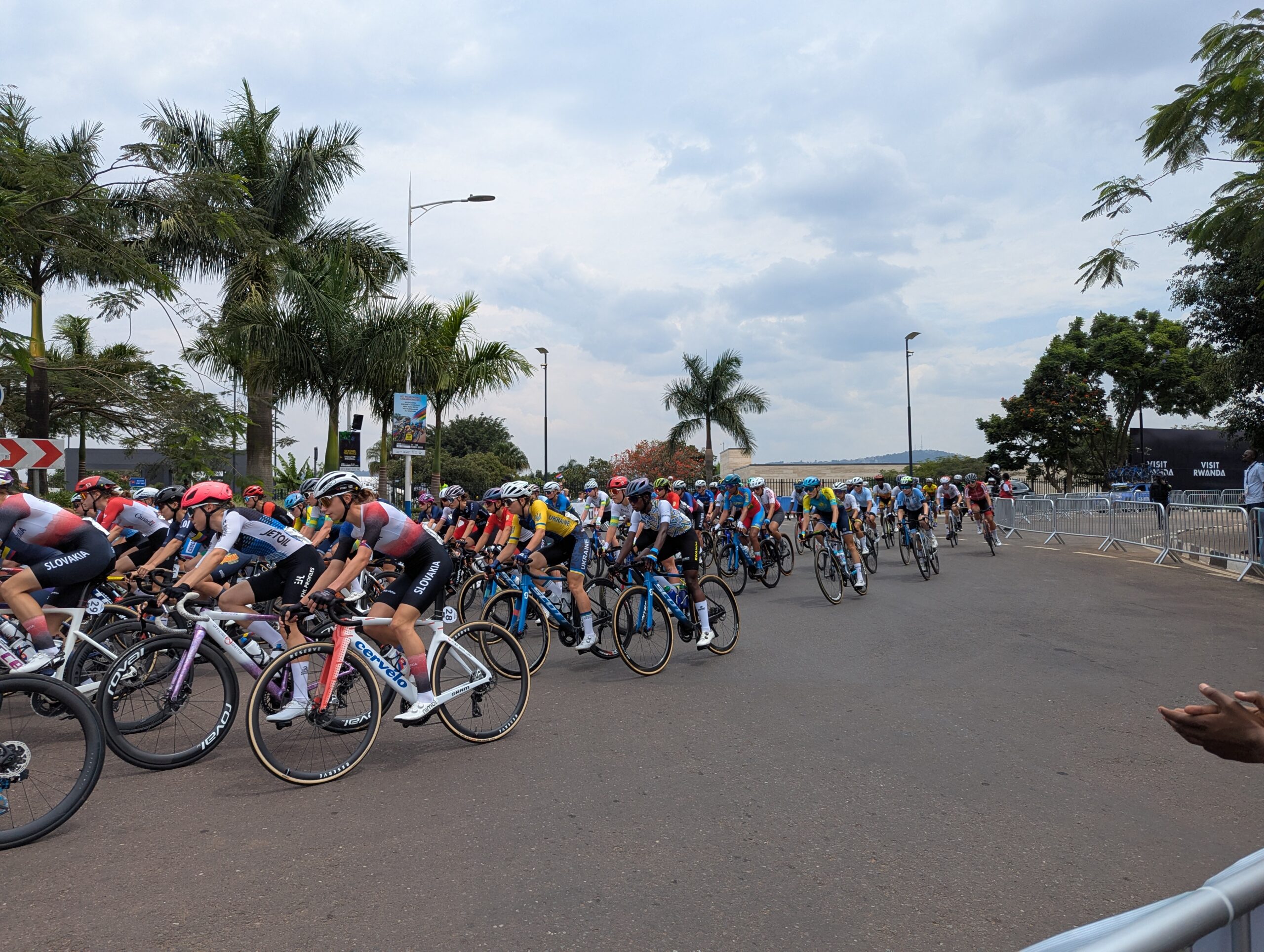
As a nod to Europe, a two-kilometer cobblestone climb was included in the course. The elite male pros also had to complete a loop around Kigali and Mount Kigali. The six-kilometer-long mountain, with a peak gradient of 17 percent (!), was the executioner for many of the elite riders.
In the end, the course was perhaps too tough, as only 30 professionals finished, including one African (Amanuel Ghebreigzabhier from Eritrea). None of the eight professionals from Rwanda saw the finish.
But that didn’t dampen the enthusiasm in the country. Hundreds of thousands lined the course and cheered on the athletes.
I’m sure this international event has played a significant role in showing Rwanda and Africa in a different light. In the run-up to the event, there had been extensive coverage of the conflict with the Congo and the allegedly repressive government under long-time President Paul Kagame. Headlines like “Controversial Host Rwanda: Shadow of War and Oppression Haunts World Cycling Championships” (n- tv ) stoked fear and, in their exaggerated form, are simply nonsense.

The country demonstrated its logistical capabilities for organizing such an event at the highest international level. The hospitality of the locals, the quality of hotels, and the excellent infrastructure impressed all guests. Stars like Remco Evenepoel and Katarzyna Niewiadoma spoke about what many athletes experienced. Participating in this first World Championship in Africa was an unforgettable experience.
It remains to be hoped that this event has contributed to raising awareness of the economy, tourism, and elite sports. Africa isn’t just about development aid and safaris.
We’re contributing to this with two projects. One project helps train local motorcycle mechanics and, in parallel, develops a training regulation for Rwanda. The second project aims to train 20 young women in data analytics to the point where, after completing their training, they can take on remote tasks for German or European companies.
Please work with us to harness this spirit of optimism to our collective benefit. Africa has the talent; we just need to establish the right partnerships.
Author